Annual Travel Insurance vs Single-Trip: Which Saves You More?
If you take more than one trip a year, annual insurance may be cheaper, but only if the cover matches what each trip needs. How to compare the two and decide.
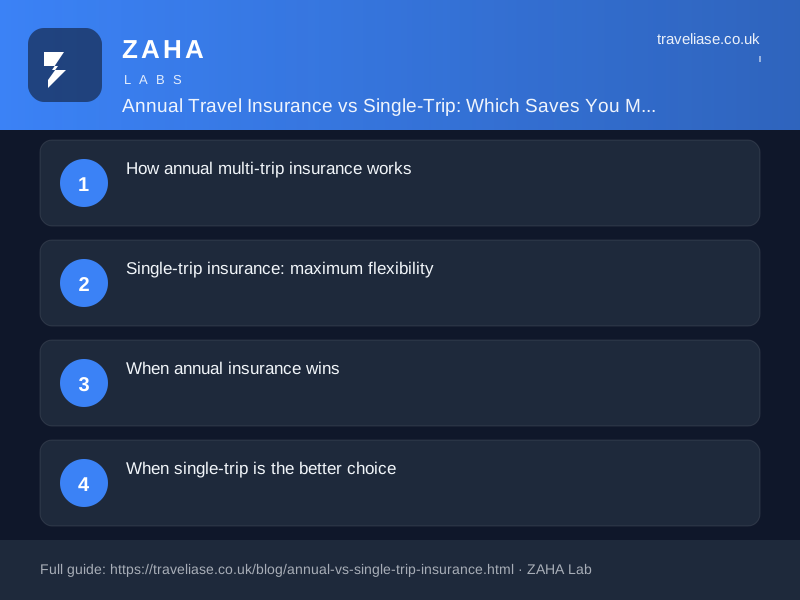
How annual multi-trip insurance works
Annual multi-trip (AMT) insurance covers all your trips within a 12-month period under a single policy, subject to a maximum trip length, usually between 30 and 90 days per trip. You pay one premium upfront and don't need to arrange cover for each individual trip.
The key limitation is the per-trip duration cap. If any of your trips exceeds the maximum days allowed, you'll need a separate single-trip policy for that journey. Some annual policies also limit the total number of days you can be away in a year.
Single-trip insurance: maximum flexibility
Single-trip policies cover one specific journey. You can tailor the cover precisely to that trip, choose higher medical limits for risky destinations, add adventure sports cover, or increase baggage limits for expensive equipment. There's no duration cap beyond the trip itself, making them ideal for long-stay travel or sabbaticals.
The downside is cumulative cost. If you travel three or more times a year, the combined premiums of single-trip policies will almost certainly exceed the cost of an annual policy.
When annual insurance wins
Annual insurance makes clear financial sense if you take at least two or three trips a year. Most annual policies cost roughly the same as two single-trip policies, so the third trip is effectively free. The convenience of not arranging cover each time is a genuine bonus.
Couples and families can also benefit from joint or family annual policies, which often cost less than the sum of individual covers.
When single-trip is the better choice
If you travel once a year or less, single-trip insurance is probably better value. The same applies if your trips include activities that standard annual policies exclude, most annual policies have a narrower definition of "adventure sports" than single-trip policies designed for active holidays.
The best approach is to compare the total cost of covering your planned trips individually against the annual premium for a comparable level of cover.
Get a clearer picture, use the cover checker to compare your options.